SRB in oil and gas production
Sulfate-reducing bacteria (SRB) drive a significant share of corrosion damage in oilfield, industrial, and aging municipal water systems. The challenge has never been knowing that SRB causes problems. The challenge has been detecting it fast enough to act.
SRB are found from reservoir to refinery. They cause:
Reservoir souring
Production of hydrogen sulfide (H2S), which is highly toxic
Microbiologically influenced corrosion (MIC) of piping and equipment
The traditional API RP 38 serial dilution method takes 7-28 days because it relies on bacterial reproduction in growth media. You wait for colonies to multiply enough to register as a positive. Other culture-based field kits take around 8 days for the same reason. qPCR runs faster but detects DNA, including from non-viable organisms, which produces well-documented false positives that drive unncessary biocide treatment.
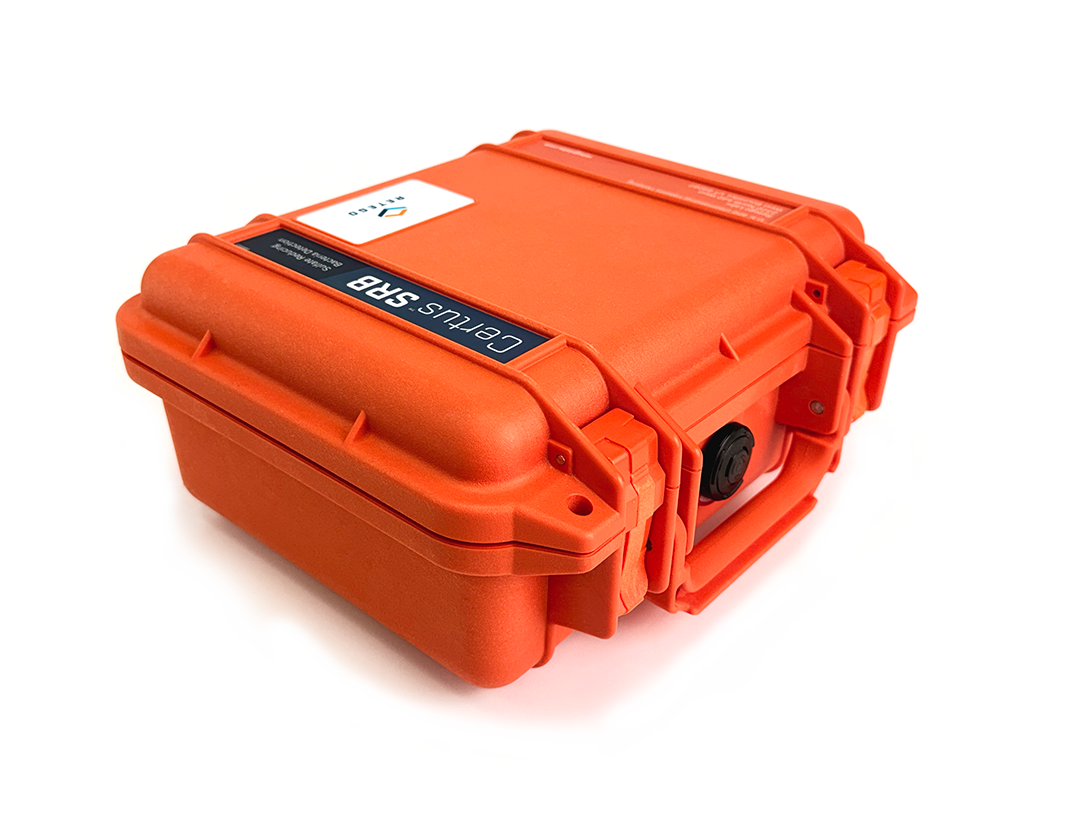
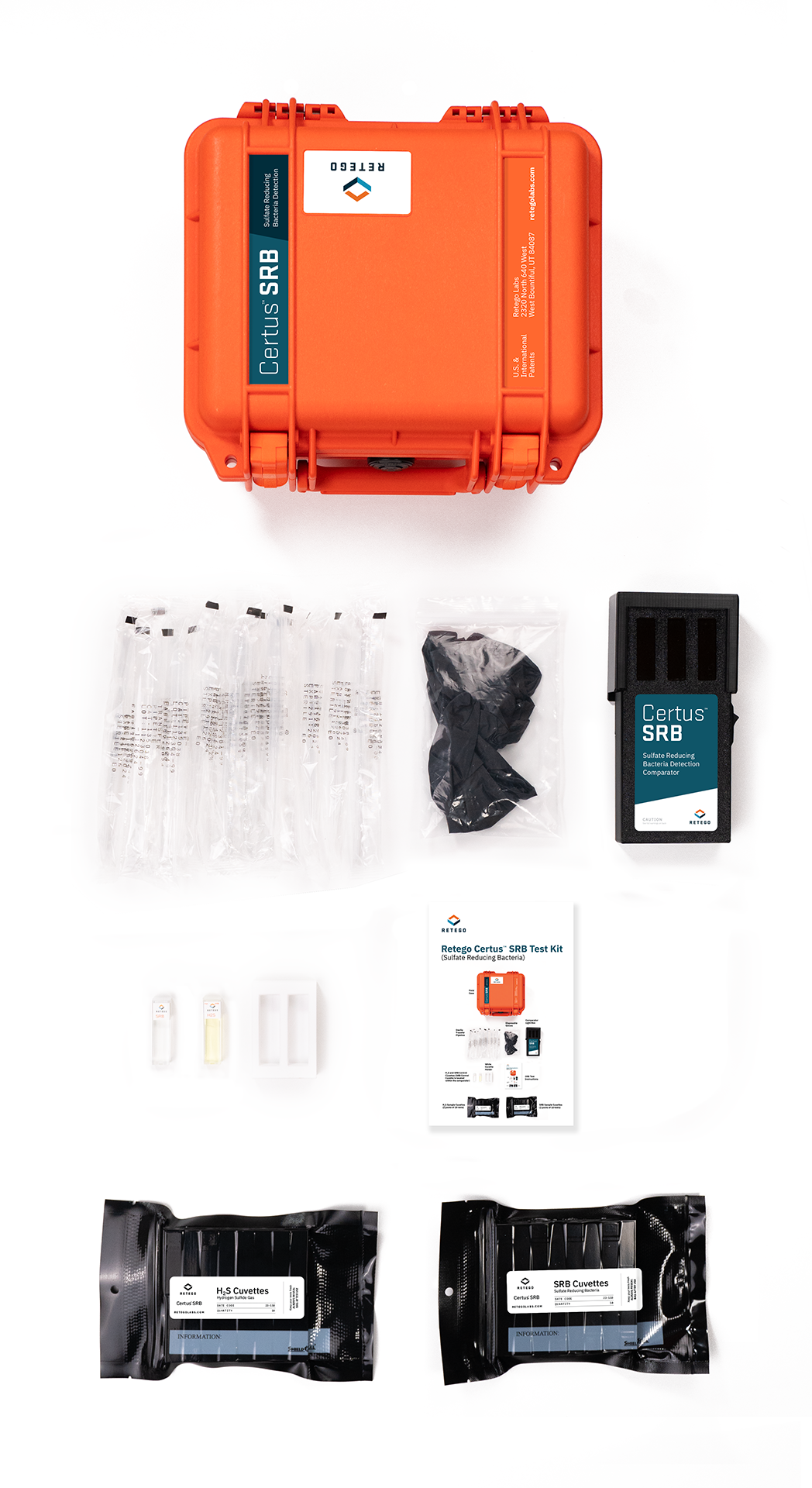
Retego Certus SRB works differently. The cuvette chemistry detects SRB metabolic activity directly and returns a quantitative result in 1 to 24 hours. A two-part assay confirms both the SRB enzyme and the H2S it produces, which reduces the false positives that affect culture methods. No 28-day wait while the colony doubles. No lab. No shipping.
| Retego Certus™ SRB | 1–24 hours | Field | SRB-specific; does not detect acid-producing bacteria. |
| API serial dilution | Weeks | Lab | Too slow to inform treatment |
| ATP | Minutes | Field | Measures total microbial activity, not SRB specifically |
| qPCR | Hours | Lab | Documented false positives |