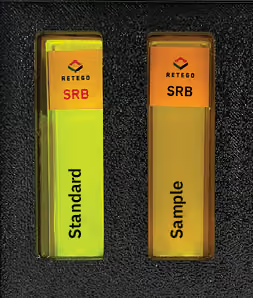
SRB in oil and gas production
All oil and gas waters contain bacteria (such waters include produced water, seawater, injection water, frac fluids, drilling fluids, and completion brines). One of the more damaging bacteria is sulfate-reducing bacteria (SRB), causing operational and health risks.
The presence of SRB, which are found from reservoir to refinery, results in the following:
- Causes reservoir souring
- Production of the highly toxic and dangeroushydrogen sulfide (H2S)
- Reduction of corrosion inhibitor performance
- Microbiologically influenced corrosion (MIC) of piping and equipment
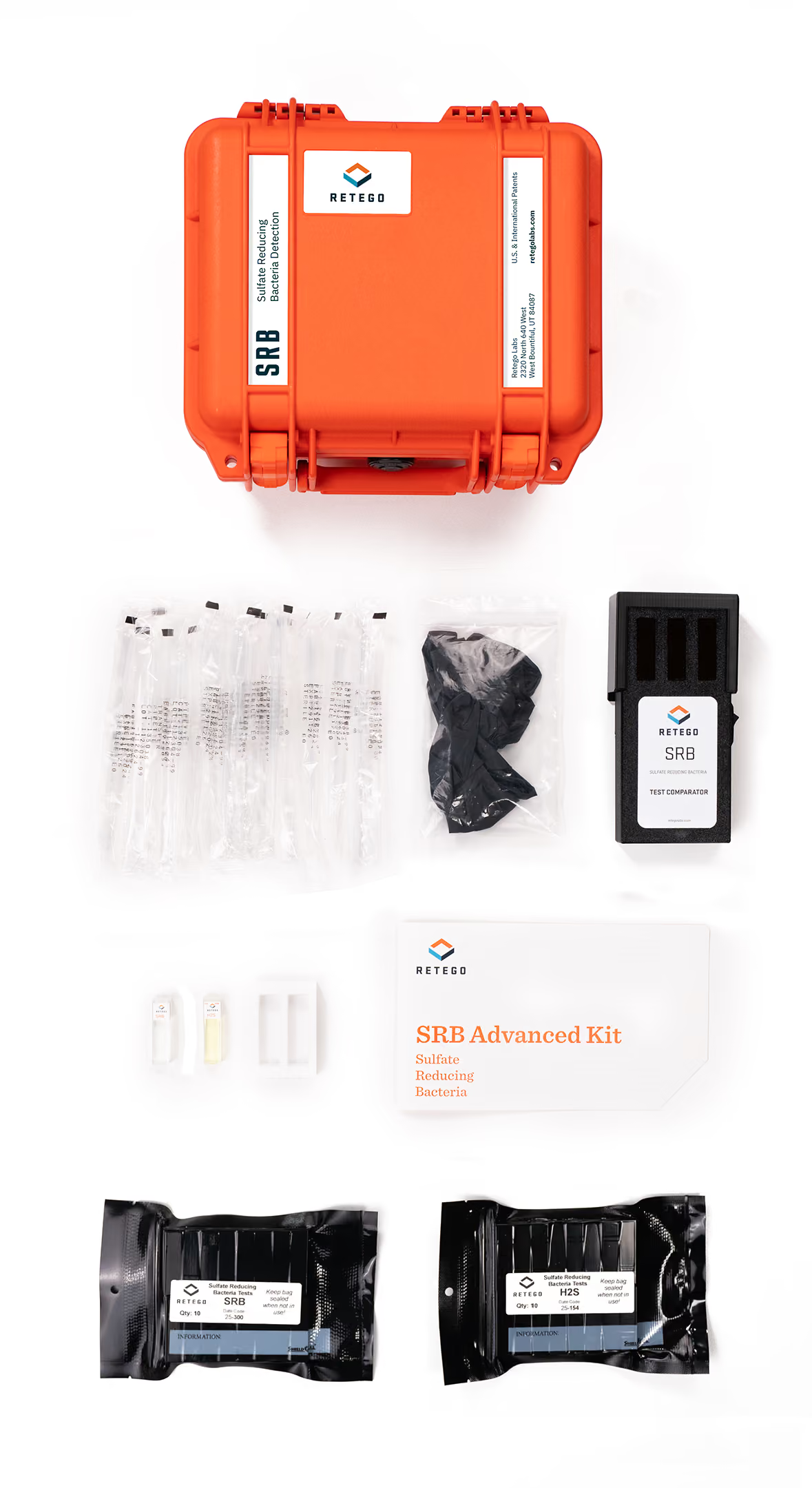
Contents
- Field Case with Tray
- 20 Sterile Transfer Pipettes
- Disposable Gloves
- Comparator Light Box
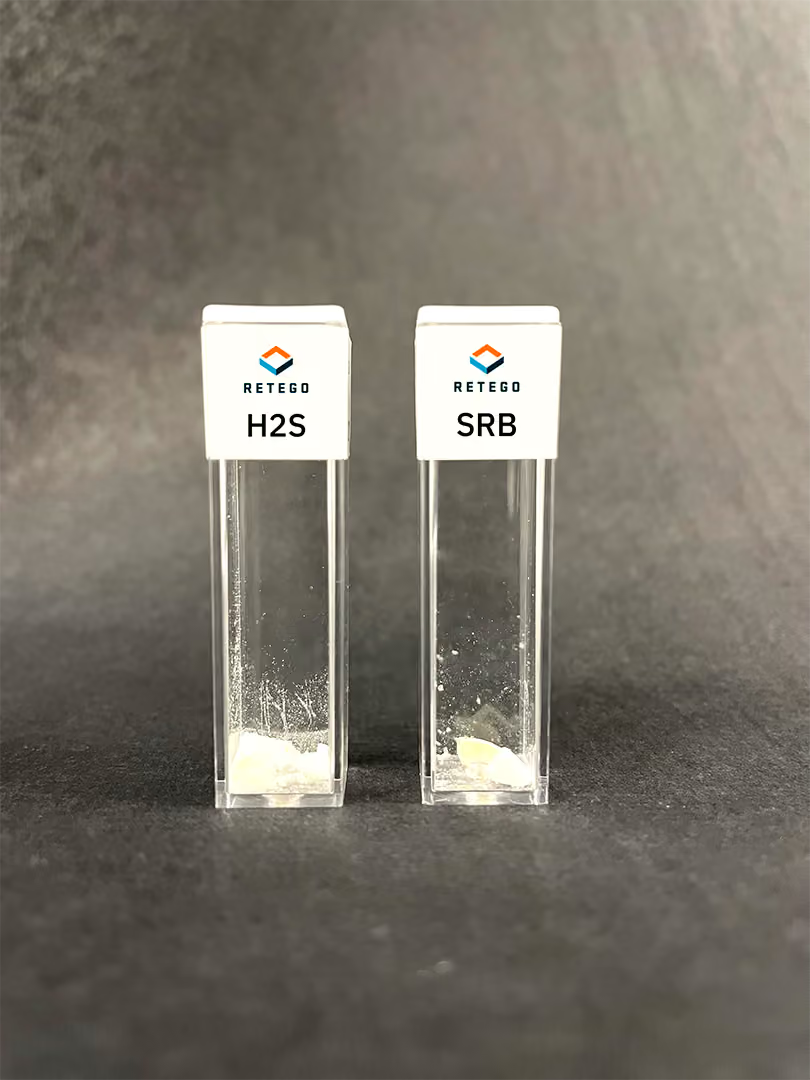
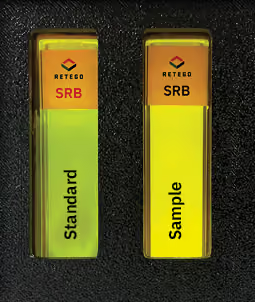
- SRB Control Cuvette
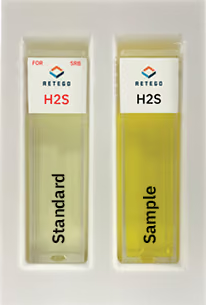
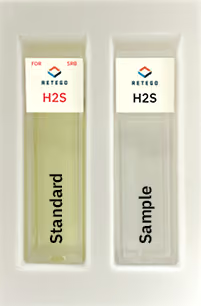
- H2S Control Cuvette
- White Vial Holder
- Test Instructions
- 20 SRB Sample Cuvettes
- 20 H2S Sample Cuvettes